Year after year, liposuction continues to be one of the most commonly performed cosmetic surgeries across the globe. And there is a good reason why more patients continue to choose it. Liposuction is one of the most effective procedures for removing stubborn fat deposits and refining overall body shape.

While liposuction is widely performed and considered safe when done by qualified professionals, it is still a major surgical procedure. It’s crucial to learn how the procedure is performed and what to realistically expect before moving forward.
In this blog, we’ll answer key questions such as how does liposuction work on belly fat and other areas of the body, explore the different types of liposuction techniques and procedures, and break down what you can realistically expect in terms of results and recovery.
How Does Liposuction Work at Alinea Lipo? A Helpful Step-by-Step Guide to Your Procedure
Before committing to a procedure like liposuction, understanding how the process works can help you make a more informed decision. At Alinea Lipo, we guide patients through each step with transparency and attention to detail.
1. Consultation and Personalized Planning

At Alinea Lipo, we start every surgical plan with a thorough evaluation and personalized consultation. During your initial consultation, our liposuction expert will:
- Review your medical history
- Ask about your medications and prior surgeries
- Evaluate skin quality and elasticity
- Assess fat distribution and treatment areas
- Discuss your aesthetic goals
Photos may be taken for planning and comparison. This step determines whether liposuction is appropriate and which technique is best suited to your anatomy.
2. Surgical Planning and Area Marking
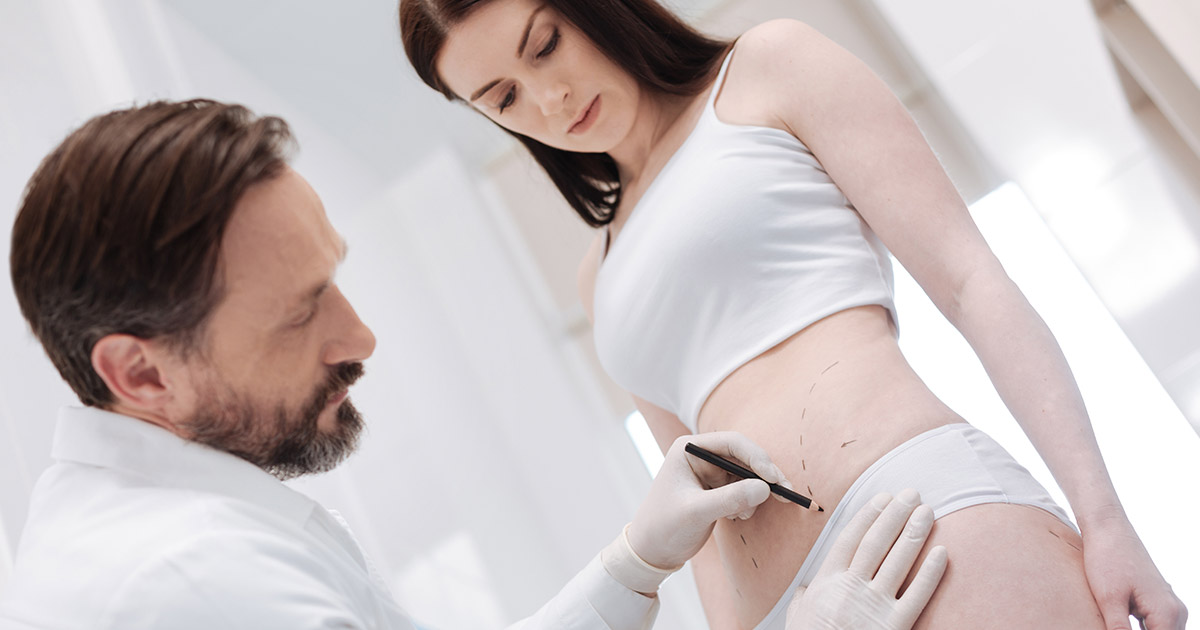
After your consultation, a customized surgical plan is finalized and tailored specifically to your body and goals. On the day of the procedure, detailed markings are made while you are upright to reflect your natural body shape. These guides are essential for maintaining symmetry and ensuring that fat removal enhances proportion rather than simply reducing volume.
For patients undergoing Lipo 360, the entire torso is approached as one connected area. Treating the abdomen, flanks, and back together allows for a more cohesive result and improved proportion throughout the midsection.
3. Administering Anesthesia Safely

The type of anesthesia used depends on how many areas are being treated and the overall complexity of your procedure. For smaller areas, liposuction may be performed using local anesthesia combined with sedation to help you stay relaxed throughout the procedure. For more extensive treatment plans, general anesthesia may be recommended.
Your medical history is reviewed in advance to determine the safest option. During surgery, anesthesia is delivered and monitored by licensed professionals in a fully accredited surgical setting. Vital signs are tracked continuously, and adjustments are made as needed to keep you stable and comfortable.
4. Preparing the Area with Tumescent Solution
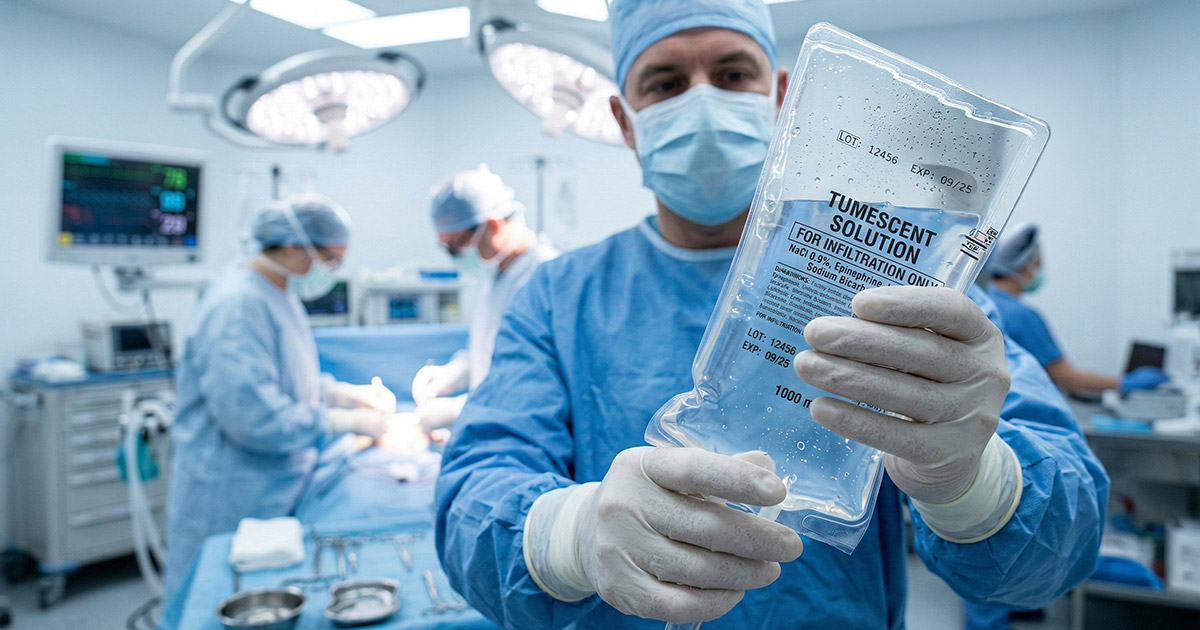
Before liposuction begins, the targeted areas are carefully infused with a sterile tumescent solution. This step plays an important role in creating a safer and more controlled surgical environment.
The solution typically contains:
- Saline fluid
- A local anesthetic
- A medication that helps limit bleeding
As the fluid spreads evenly beneath the skin, it expands the tissue slightly and allows the fat to be removed more efficiently. This preparation supports smoother contouring and helps protect nearby structures.
The purpose of this step is to:
- Numb the area
- Minimize blood loss
- Loosen fat cells
- Improve overall safety
This stage allows for smoother and more controlled fat removal.
5. Small Incisions and Controlled Fat Removal

Once the area has been properly prepared, small incisions are made in carefully chosen locations near the treatment area. These incisions are typically very small and positioned as discreetly as possible.
A slender instrument called a cannula is inserted through these openings. The cannula moves carefully beneath the skin to loosen and remove fat in a gradual, controlled way. The goal is not just reduction, but shaping. Fat is removed evenly and thoughtfully to maintain smooth transitions between treated and untreated areas.
The technique used during this step may include:
- Traditional suction-assisted liposuction, which relies on manual movement for fat extraction
- Power-Assisted Liposuction (PAL) with the MicroAire system, designed to enhance control and efficiency
- VASER ultrasound-assisted liposuction, which helps emulsify fat before suction
- SmartLipo laser-assisted liposuction, which uses laser energy to assist with fat removal and may support collagen response
The chosen method depends on the treatment plan discussed during your consultation.
6. Targeted Fat Removal and Sculpting
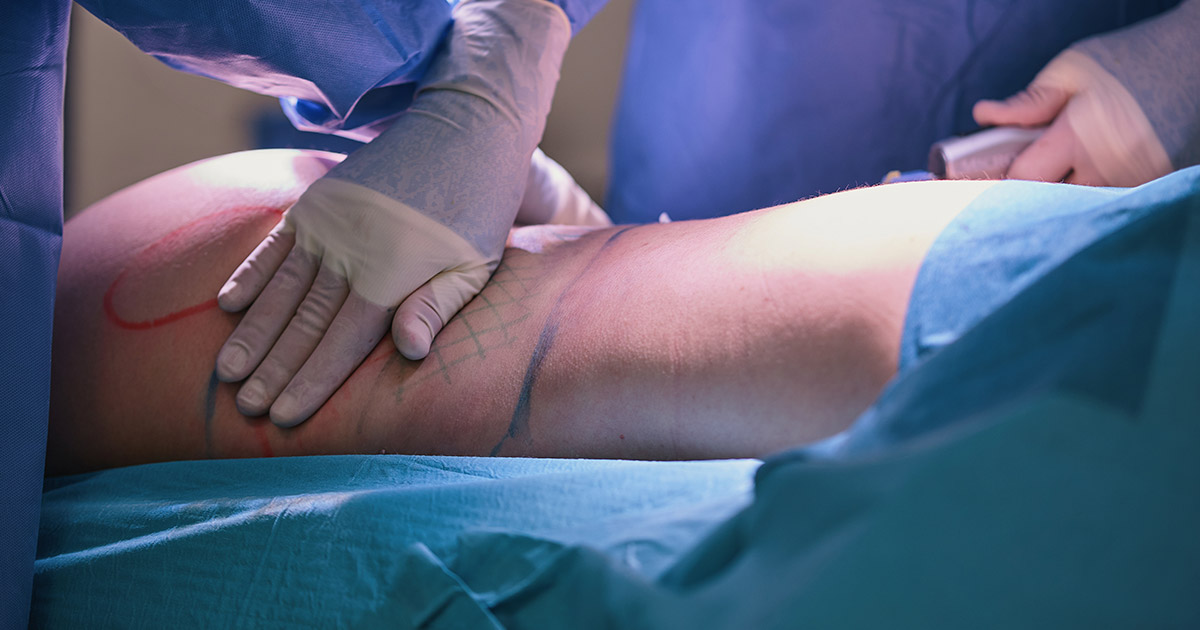
Once the small openings are in place, the surgeon begins carefully removing the excess fat. The approach used to loosen the fat beforehand depends on the method selected during your treatment planning.
- Traditional liposuction involves carefully moving the cannula back and forth to manually break up and remove fat cells.
- Power-Assisted Liposuction (PAL) uses a gently vibrating cannula to help loosen fat, allowing for greater precision with less physical force.
- VASER liposuction uses ultrasound energy to break down fat before it is suctioned out.
- SmartLipo uses laser energy to help liquefy fat and may support skin tightening through collagen stimulation.
No matter which technique is used, fat removal is done carefully and in stages. It is not about taking out as much as possible as quickly as possible. The liposuction experts at Alinea Lipo understand that subtle adjustments make a significant difference, so they continuously evaluate the contour as they work. This level of attention allows for more precise shaping and reduces the risk of uneven contours.
7. Final Shaping and Contour Refinement

Once the bulk of the targeted fat has been removed, the surgeon carefully reassesses the treated areas. This stage is important because it allows the surgeon to step back and reassess the shape before completing the procedure. The treated areas are reviewed from different angles to make sure everything looks balanced and even.
Small adjustments may be made to:
- Even out minor surface variations
- Add subtle definition where appropriate
- Ensure the treated areas blend naturally with the surrounding tissue
When skin elasticity is a concern, J-Plasma may be incorporated to help tighten and support better skin retraction. This can improve how the skin conforms to the new contour over time.
8. Post-Surgery Care and Guidance on Wearing Compression Garments
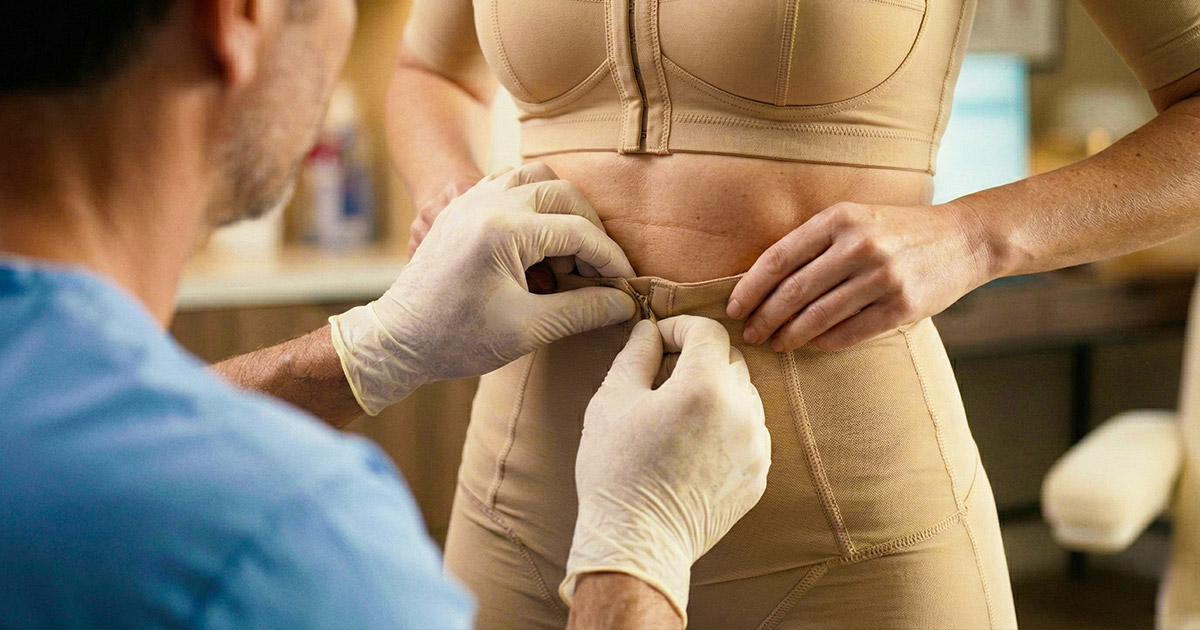
After your procedure, the next step is focusing on recovery. The incisions are small and discreet, and how they are managed depends on your specific treatment plan.
In some cases, the incisions are closed with small sutures. In others, they may be left slightly open for a short time to allow fluid to drain as part of the recovery process.
Compression garments are applied immediately following your procedure. These garments play an important role in recovery and are carefully fitted before you leave.
They are designed to:
- Help reduce swelling
- Support your new contours as the tissues settle
- Encourage proper healing
Before you are discharged, our team walks you through exactly how to wear your compression garment, how long to keep it on, and when it can be removed for showering. Clear aftercare instructions are provided so you feel confident managing your recovery at home.
9. Immediate Aftercare and Observation Stage
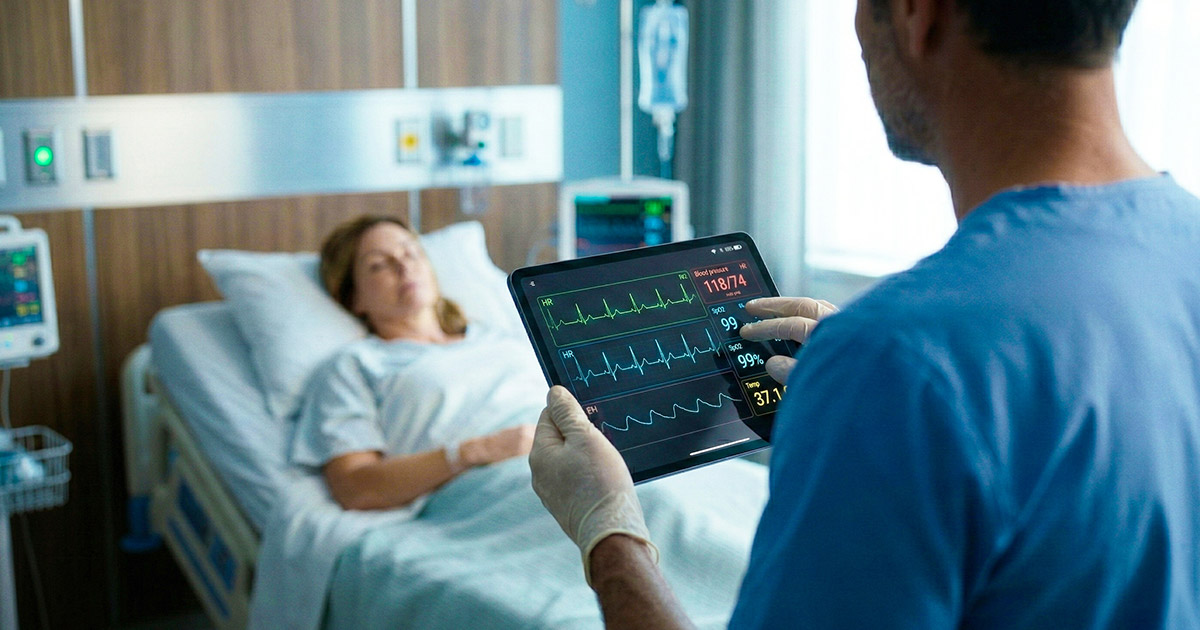
After your procedure is complete, you will spend some time in a monitored recovery area. During this period, our team observes you closely to ensure you are stable, comfortable, and ready to go home. Your vital signs are checked, and you are given time to rest as the anesthesia wears off.
It is normal to experience:
- Swelling
- Bruising
- Temporary numbness
- Mild to moderate soreness
These effects are part of the body’s natural healing response and typically improve over the following days and weeks.
Most patients are able to resume light activity within a few days, depending on how many areas were treated. Returning to work is often possible within 7 to 10 days, although recovery timelines vary from person to person.
10. Follow-Up Care and Ongoing Support

Follow-up appointments are scheduled to track your healing and ensure everything is progressing as expected. These visits give us the opportunity to assess swelling, answer questions, and make sure your recovery stays on course.
Swelling improves gradually over the next several weeks. As inflammation decreases and the tissues begin to settle, your new contours become more defined. Patience is important during this stage, as the final shape develops over time rather than overnight.
Long-term results depend on:
- Surgical technique
- Skin elasticity
- Maintaining a stable weight
While fat cells removed during liposuction are permanently eliminated, the remaining fat cells in your body can still expand with weight gain. Maintaining consistent, healthy habits helps preserve your results and support long-term contour stability.
Does Liposuction Work? The Truth About Fat Reduction and Long-Term Results

Liposuction changes the body in a very specific way. It reduces the number of fat cells in selected areas, which alters how volume is distributed across the frame. In short, liposuction is a body contouring procedure, and not a substitute for weight loss.
Depending on which areas are addressed, liposuction may narrow the waistline, add definition to the arms, or smooth fullness along the back.
Patients also frequently ask, does liposuction work long-term? The fat cells removed during surgery do not regenerate, which means the treated area will always contain fewer fat cells than before. However, overall body composition can still change with weight fluctuations.
Maintaining balanced habits supports the longevity of your results and helps preserve the contour achieved during surgery.
Common Liposuction FAQs Answered
Does labiaplasty affect pregnancy?
Labiaplasty does not affect your ability to become pregnant or carry a pregnancy. The procedure focuses on reshaping the labia minora or labia majora and does not involve the uterus or reproductive organs. However, pregnancy and childbirth may cause changes to the vulvar tissue, which could alter results. If you are planning a future pregnancy, discuss timing with your surgeon during consultation.
What is laser liposuction, and how does it work?
Laser liposuction, commonly known as SmartLipo, is a technique that uses laser energy to help break down fat before it is removed. During the procedure, a thin laser fiber is inserted beneath the skin through a small incision. The laser gently heats and loosens the fat cells, making them easier to remove with suction.
How does arm liposuction work?
The arms are one of the most challenging areas to tone, even with consistent workouts. Arm liposuction offers a targeted solution for refining the shape of the upper arms. It works by gently loosening and removing localized fat deposits to improve proportion and smoothness.
Does liposuction work for lipedema?
Liposuction may help manage some of the physical symptoms associated with lipedema, but it does not eliminate the underlying condition. Lipedema involves a buildup of fat that is resistant to traditional weight loss methods. In certain patients, carefully performed liposuction can reduce excess fat deposits and improve contour in affected areas. Because lipedema is a medical disorder, treatment decisions should be made in consultation with a qualified physician familiar with the condition.
Does liposuction work on belly fat?
Liposuction can effectively remove localized belly fat that does not respond to diet and exercise. It is designed for body contouring rather than weight loss. Ideal candidates are close to their target weight but struggle with stubborn abdominal fat deposits. A consultation can determine whether you are a suitable candidate based on your goals and overall health.
Schedule Your Personalized Liposuction Consultation
Liposuction is most effective when it is approached with intention and precision. It is not a shortcut, and it is not about dramatic change overnight. It is a structured surgical process designed to refine specific areas and improve overall proportion. When patients understand how each step works and what recovery truly involves, they are better equipped to make informed decisions.
At Alinea Lipo, body contouring is not treated as a one-size-fits-all procedure. With extensive experience performing full-body liposuction and Lipo 360 procedures, the team combines modern technology with disciplined surgical technique. If you are considering liposuction in NYC, book a consultation to receive a clear and personalized treatment plan.