Complications and side effects are common concerns patients have before undergoing liposuction. For many patients, concerns about anesthesia, downtime, and long-term effects are often at the top of the list.
When performed by a skilled and experienced provider, liposuction has a strong safety record. Still, it’s a surgical procedure and deserves thoughtful consideration. If you’re thinking about removing stubborn fat, it’s important to understand what the process involves, including the benefits you can expect and the risks you should be aware of.
This article provides a detailed look at the safety of modern liposuction and how it compares with non-surgical fat reduction treatments.
How Safe is Liposuction Compared to Non-Surgical Liposuction?
One reason liposuction remains popular is that it tends to deliver more dramatic results. Fat is physically removed during the procedure, which means changes are visible much sooner and are often more significant than with non-surgical treatments.
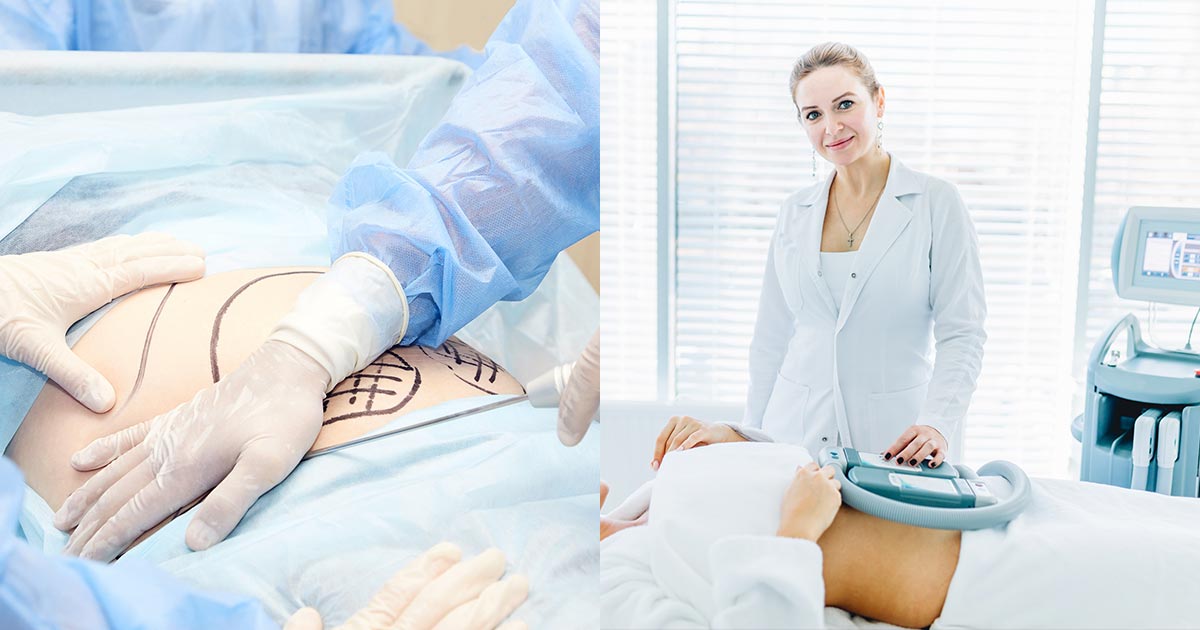
However, since it involves minor surgery, liposuction comes with a recovery period and the standard considerations that apply to any medical procedure. This does not suggest that it is unsafe, especially when performed by an experienced provider, but it does call for careful planning and follow-up care.
On the other hand, many patients assume that non-surgical fat reduction must be the safer option simply because it doesn’t involve surgery. While it’s true that non-invasive treatments avoid incisions and anesthesia, that doesn’t automatically make them risk-free.
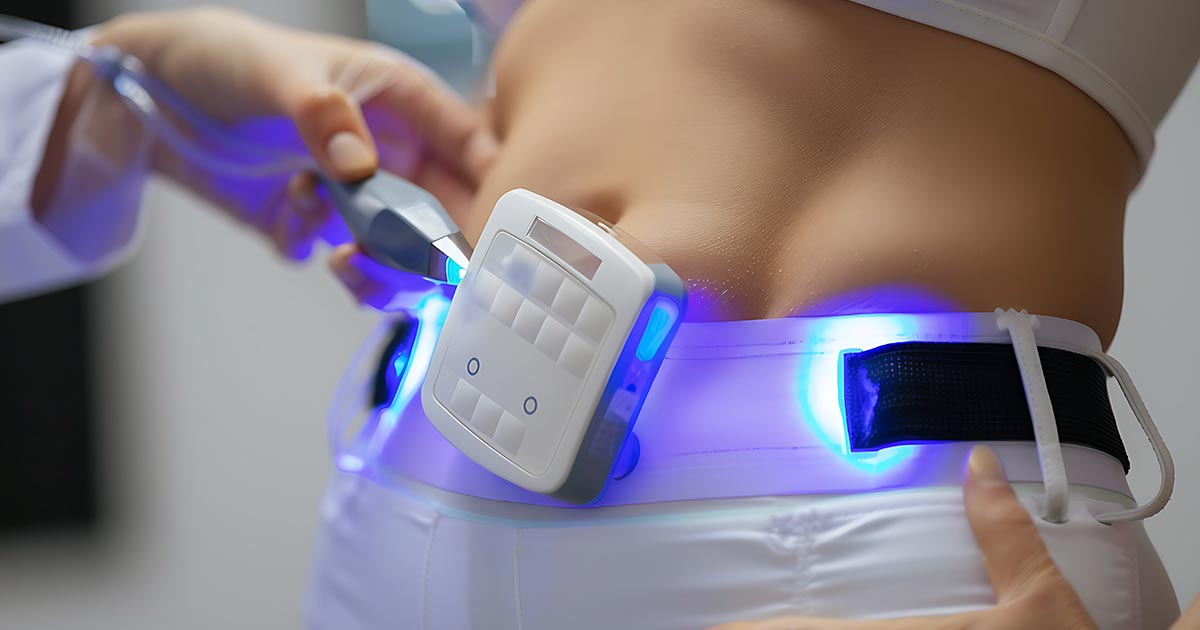
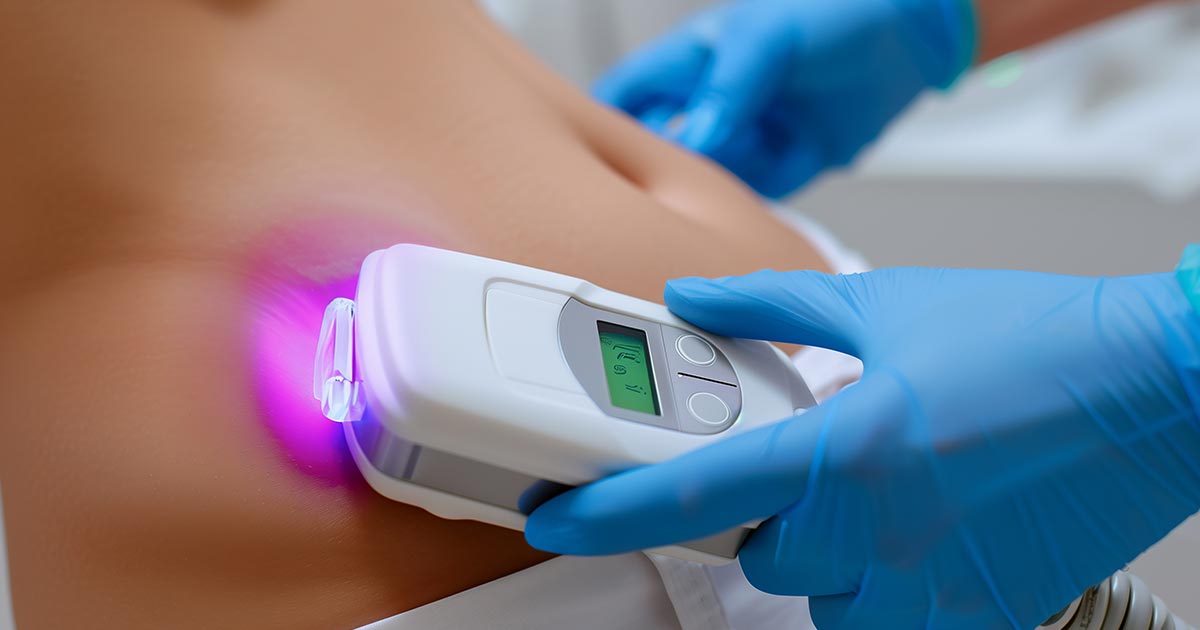
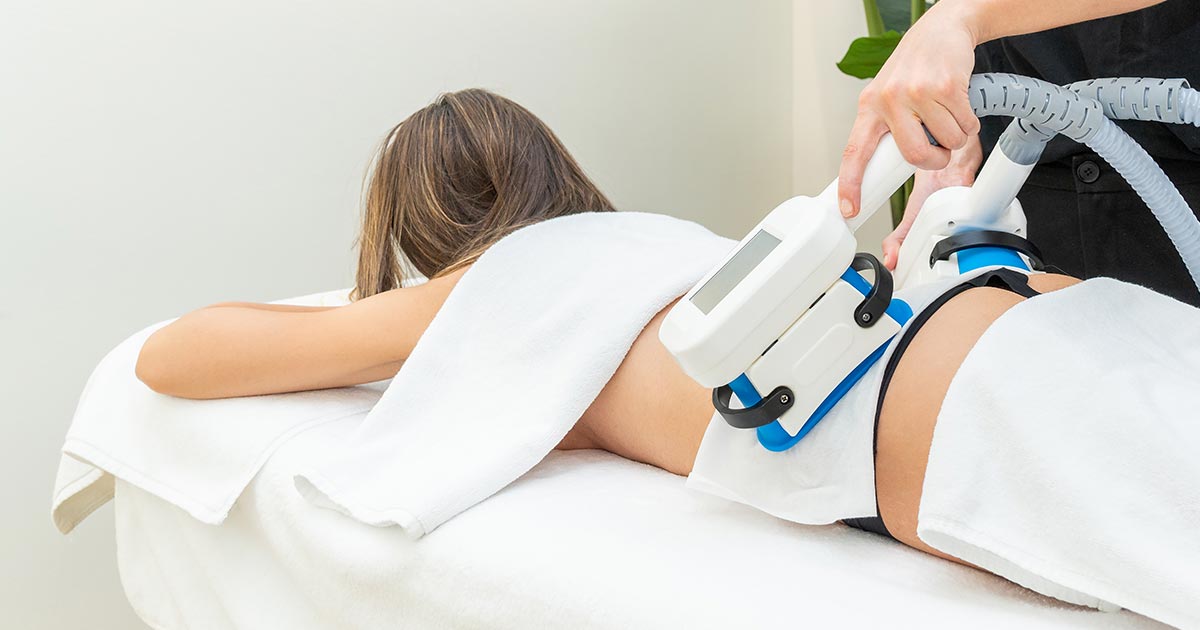
Non-surgical liposuction techniques such as CoolSculpting, radiofrequency treatments, and injectable fat-dissolving solutions still carry potential side effects. These treatments work by freezing, heating, or breaking down fat cells, and while they avoid incisions, they can cause swelling, bruising, numbness, or temporary nerve sensitivity.
At the end of the day, the word “surgical” doesn’t automatically mean dangerous, and “non-surgical” doesn’t automatically mean safer. Understanding the differences between these treatments is the first step. The next is learning what makes liposuction techniques safer and how proper preparation can further reduce risk.
Safe Liposuction Techniques That Support Faster Recovery
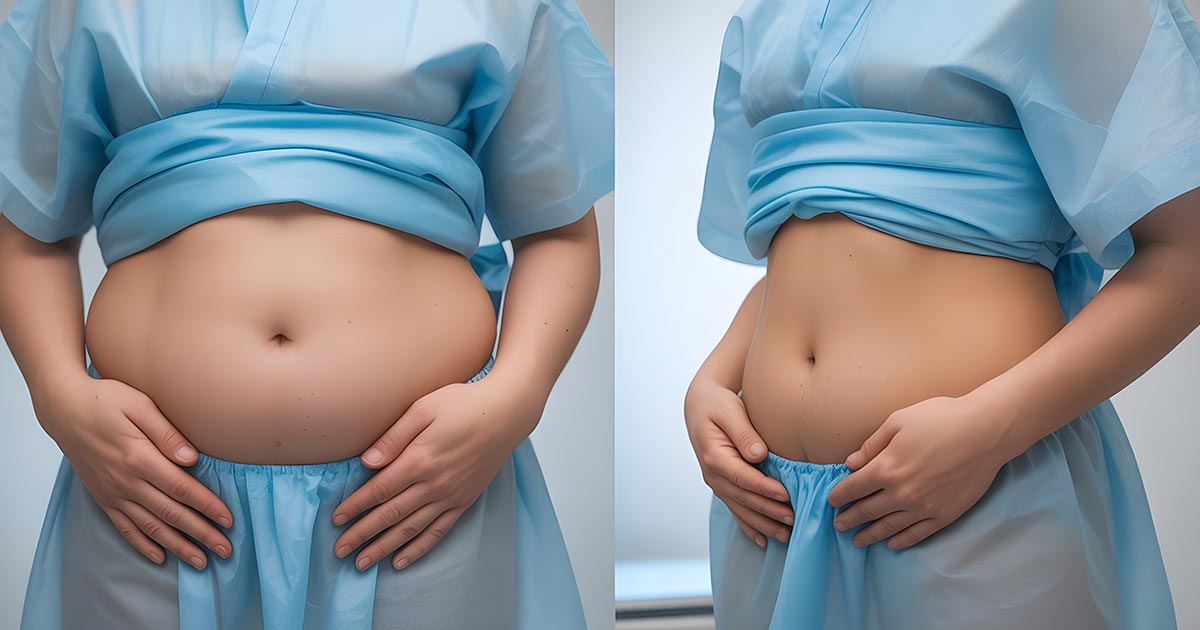
Many people worry that liposuction automatically means a long or difficult recovery. In reality, the technique used plays a major role in how you heal. Recovery after liposuction is closely tied to how controlled the procedure is from start to finish. Modern techniques are designed to remove fat with accuracy while minimizing stress on surrounding tissue. When less trauma occurs beneath the skin, swelling and bruising tend to be easier to manage.
Some of the approaches that help support safer healing include:
Tumescent Liposuction
A medicated solution is placed into the treatment area before fat removal begins. This helps numb the area, reduce bleeding, and allow for smoother fat extraction. Because the tissue is prepared in advance, the process is more controlled and recovery is often steadier.
VASER-Assisted Liposuction
Ultrasound energy is used to gently loosen fat before removal. This allows the provider to target fat more precisely, which can reduce disruption to nearby structures. Precision often translates to less post-procedure swelling and more predictable contouring.
Laser-Assisted Liposuction
Laser energy helps liquefy fat before it is removed. This can make extraction smoother and may also support mild skin tightening. Patients often appreciate that this technique can combine fat removal with contour refinement.
Power-Assisted Liposuction
A specialized cannula vibrates gently to break up fat cells. This allows for controlled movement and can shorten procedure time while maintaining accuracy. The goal is effective removal without unnecessary tissue strain.
Expert Tips to Ensure a Safe Liposuction Procedure
Even with the best doctors and modern techniques, without proper preparation and aftercare, your recovery may not go as smoothly as it could. How you take care of yourself leading up to the procedure and in the weeks that follow can make a meaningful difference in your overall recovery experience.
Taking an active role in your care helps reduce avoidable complications and supports smoother healing. Here are some helpful steps that can contribute to a safe liposuction procedure from start to finish.
1. Look for an Experienced, Qualified Provider
When evaluating a liposuction provider, it’s wise to look past price comparisons and instead consider expertise, procedural approach, and commitment to patient safety. While advancements have made liposuction more precise and less physically taxing on the body, it remains a nuanced procedure that requires refined technique and thoughtful planning. Choosing the right provider can make all the difference.
The liposuction experts at Alinea Lipo take the time to understand your individual goals and create a treatment plan tailored to your goals and body type. Every consultation includes a careful evaluation of fat distribution, skin elasticity, and overall health to determine what can be achieved safely.
Rather than taking a one-size-fits-all approach, the team focuses on precision, conservative contouring, and realistic expectations. This attention to detail helps support smoother recovery and more balanced, natural-looking results.
2. Ask About Anesthesia Type & Recovery
Understanding how anesthesia affects your recovery can help you plan more confidently. Not all liposuction procedures use the same type of anesthesia. In many cases, local anesthesia is enough to keep you comfortable, while more extensive treatments may call for sedation.
Local anesthesia can reduce certain side effects and may allow for a steadier recovery. During your consultation, it’s worth asking why a certain option is recommended for you and what recovery will realistically look like in the first few days.
3. Follow Pre-Procedure Instructions
It is a standard practice for liposuction providers to give patients pre-procedure instructions to reduce preventable risks and help the body prepare for surgery. Pre-procedure instructions are designed to lower the chance of complications such as excessive bleeding, delayed healing, or anesthesia-related issues. A few common pre-procedure guidelines include:
- Adjusting Medications and Supplements: Certain medications and supplements can increase bleeding or interfere with anesthesia. Patients are often asked to pause blood thinners, anti-inflammatory drugs, or herbal supplements such as fish oil, vitamin E, ginkgo, or garlic. Even over-the-counter products matter. Reviewing everything you take with your provider allows for safer planning and helps avoid unnecessary bruising or bleeding.
- Avoiding Nicotine: Smoking and vaping restrict blood flow, which can slow healing and increase the risk of infection. Most providers recommend stopping nicotine use several weeks before the procedure. This step alone can significantly improve recovery and overall results.
- Limiting Alcohol: Alcohol can thin the blood and contribute to dehydration. Patients are usually advised to avoid alcohol for a period of time before surgery to help stabilize the body and reduce swelling or bleeding during recovery.
- Completing Lab Work or Medical Clearance: Depending on your health history, your provider may request lab testing or clearance from a primary care physician. These evaluations help identify issues such as anemia, clotting concerns, or unmanaged medical conditions before the procedure takes place.
- Fasting Guidelines: If sedation is being used, you may be instructed not to eat or drink for a specific number of hours before the procedure. Following these instructions carefully reduces anesthesia-related risks.
4. Maintain a Stable Weight
If you’re still working toward a weight goal, it might make sense to wait until your weight settles before moving forward with liposuction. The procedure is most effective when your body isn’t in the middle of major changes. Rapid weight shifts can affect how the treated area looks and may complicate recovery.
5. Properly Plan Your Post-Procedure Recovery
How you manage your recovery can significantly affect how smoothly you heal and how your final results settle. This is why preparing thoughtfully before your procedure should never be overlooked.
Before your appointment, make sure you have reliable transportation, allow yourself adequate time off from work, and prepare a restful environment at home.
Frequently Asked Questions About Liposuction Safety
Is laser liposuction safe?
Laser liposuction is generally considered safe when performed by a qualified and experienced provider. This technique uses controlled laser energy to liquefy fat before it is removed, which can allow for more precise fat extraction and potentially less tissue disruption. Because the laser generates heat, proper technique and careful monitoring are essential to prevent burns or uneven results.
Is awake liposuction safe?
Awake liposuction can be a safe option for many patients, especially when only small to moderate areas are being treated. The procedure relies on local anesthesia to numb the area while the patient remains conscious and comfortable. Avoiding general anesthesia can lower certain risks and may lead to a quicker recovery.
Is liposuction safe for belly fat?
Liposuction for belly fat is one of the most commonly requested cosmetic procedures, and it’s normal to feel curious about the risks and recovery process. While abdominal fat removal may seem intimidating at first, the procedure is generally safe when it’s done by a qualified and experienced provider like Alinea Lipo.
Is liposuction safe for diabetics?
Having diabetes does not automatically rule out liposuction. What matters most is whether your blood sugar is consistently under control. When glucose levels are steady, healing tends to be more predictable. If diabetes is poorly managed, recovery can take longer, and the risk of infection is higher. A careful and comprehensive consultation with a liposuction expert helps determine whether the timing is right.
Take the Next Step Toward Safe, Confident Body Contouring
Liposuction is an elective cosmetic procedure, and like any surgery, it carries real considerations. It is not intended for weight loss, and it is not appropriate for everyone. Safety depends on thoughtful preparation, careful technique, and clear communication throughout the process.
While non-surgical treatments can be helpful in certain cases, liposuction remains one of the most reliable ways to address stubborn fat when performed responsibly. Choosing a provider who values precision and long-term balance makes a meaningful difference.
If you’re ready to address stubborn fat with a more definitive solution, consider meeting with the specialists at Alinea Lipo. From your initial consultation through recovery, you’ll have a clear understanding of what to expect, how your procedure will be tailored, and how your healing will be monitored. Schedule a free consultation to understand your options and determine if liposuction is a safe fit for you.